Our Family Tree
Learn about the generous donors who have established charitable funds through Stark Community Foundation.

In partnership with The Repository, every Monday, Stark Community Foundation highlights positive happenings in our community. Here’s to Good News Mondays!
Through funding from Stark Community Foundation, AHA’s Infant CPR Anytime Training Kits and a CPR Anywhere Community Training Kit are now available to aid in educating Stark County residents on the techniques of CPR, especially within the pockets of our community where training is not already accessible or affordable.
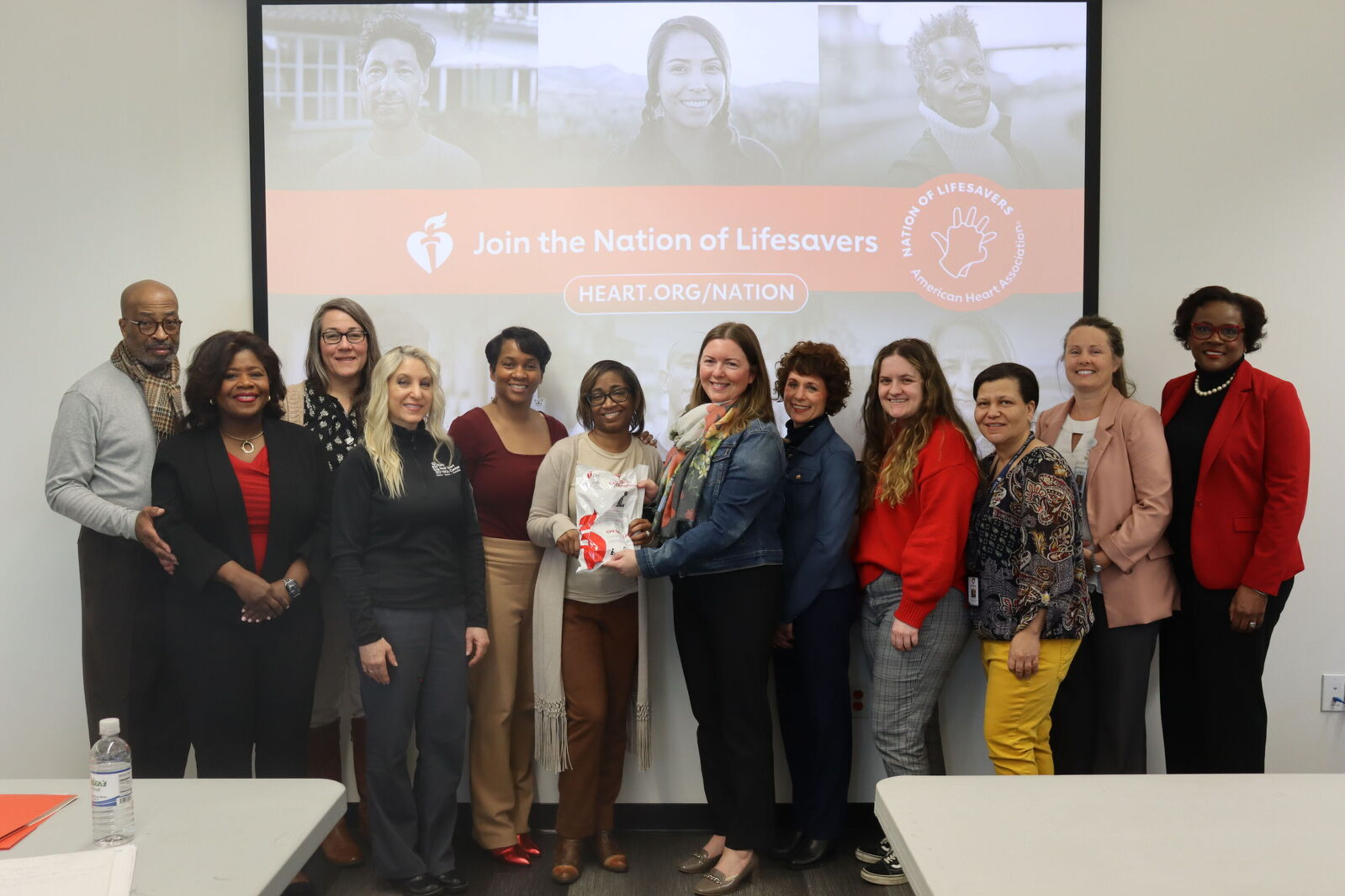
Nine community partner organizations gathered at the launch event at Stark Library last week to receive their supply of Infant CPR Anytime Training Kits, including Beacon Charitable Pharmacy, Massillon City Health Department, Stark County Community Action Agency, Stark County Health Department, Stark County NAACP, Stark Community Support Network, Stark County THRIVE, YWCA Canton and YWCA Early Head Start. These organizations will distribute the kits and spread awareness among the families reached through their services.
Every year in the United States, more than 350,000 people experience cardiac arrest outside of the hospital—including 23,000 children—and 90 percent will not survive. If performed immediately, CPR could double or triple their chances of survival.
The Infant CPR Anytime Training Kit contains everything needed to learn the lifesaving skills of infant CPR, choking relief and injury prevention in 30 minutes from the comfort of home, work or in a large community setting. The personal learning program offers an easy and effective training tool for new parents, grandparents, babysitters and anyone caring for an infant. Each kit includes an inflatable mannequin, instructional DVD, streaming link in English and Spanish and printed materials. Infants in cardiac arrest require rescue breathing, and the training includes information on this important step.
Additionally, the CPR Anywhere Community Training Kit will be available for use through the Stark County NAACP to make large-scale training available for other local organizations. The kit includes all equipment and materials to train 10 to 20 people at once on the lifesaving skills of CPR for all ages. Each kit has 10 inflatable mannequins, AED simulators, rescue breathing materials, basic first aid training materials, instructional DVDs and trainer resources. The lesson takes 30-40 minutes, and trainers don’t need to be certified CPR or first aid instructors.
In the event of a cardiac arrest, survival depends on immediately receiving CPR from someone nearby. According to the AHA, more than 70% of bystanders feel helpless in the event of a cardiac emergency and lack the knowledge of how to jump into action. The training and resource disparity among specific groups of our community, and others across the country, is a pressing health equity issue.
Data from the AHA, Canton Health Department and national studies show that a woman is less likely to receive CPR from a bystander, and men have a 23% higher chance of surviving a cardiac arrest than women. Similarly, Black and Hispanic adults are substantially less likely to receive CPR from a bystander. The need for training is particularly strong when looking at the demographics of Stark County, as both local and national data show that predominately Black and Hispanic neighborhoods are associated with decreased access to CPR training and lower rates of bystander CPR due to socioeconomic factors.
Parents and caregivers are among the most important people to be trained in infant CPR and choking relief, which can make a life-or-death difference for infants who suffer cardiac arrest or whose airways become blocked by food or objects. According to the National Center for Injury Prevention and Control, unintentional choking and suffocation are a leading cause of all injury deaths for infants under the age of one, and more than 7,000 children suffer an out-of-hospital cardiac arrest annually.
The AHA provides community-centered, CPR technical assistance and equipment— focusing on environments where capacity to engage is high, and the need is most critical. This includes families of patients especially vulnerable to cardiac arrest (such as pediatric intensive care patients, cardiac rehab patients, etc.), underserved rural and urban communities where bystander CPR rates are lower or emergency response service times lag behind the national average and organizations that work with underserved families.
By providing these kits and training, the goal is to prepare more people in Stark County to perform CPR in the face of a cardiac emergency and empower them to play a vital role in increasing the person in need’s chance of survival.
Learn more at www.heart.org/nation.